
Art supplies deserve better testing.
There’s no shortage of art supply reviews online.
There is a shortage of reviews from people who know what art supplies are supposed to do.
Art Supply Test Lab looks beyond the box, the swatches, and the first five minutes of use. I test art materials from the perspective of a professional illustrator and longtime instructor.
The goal is simple: figure out what works, what doesn’t, and who should actually buy it.
Pretty swatches don’t tell you much.
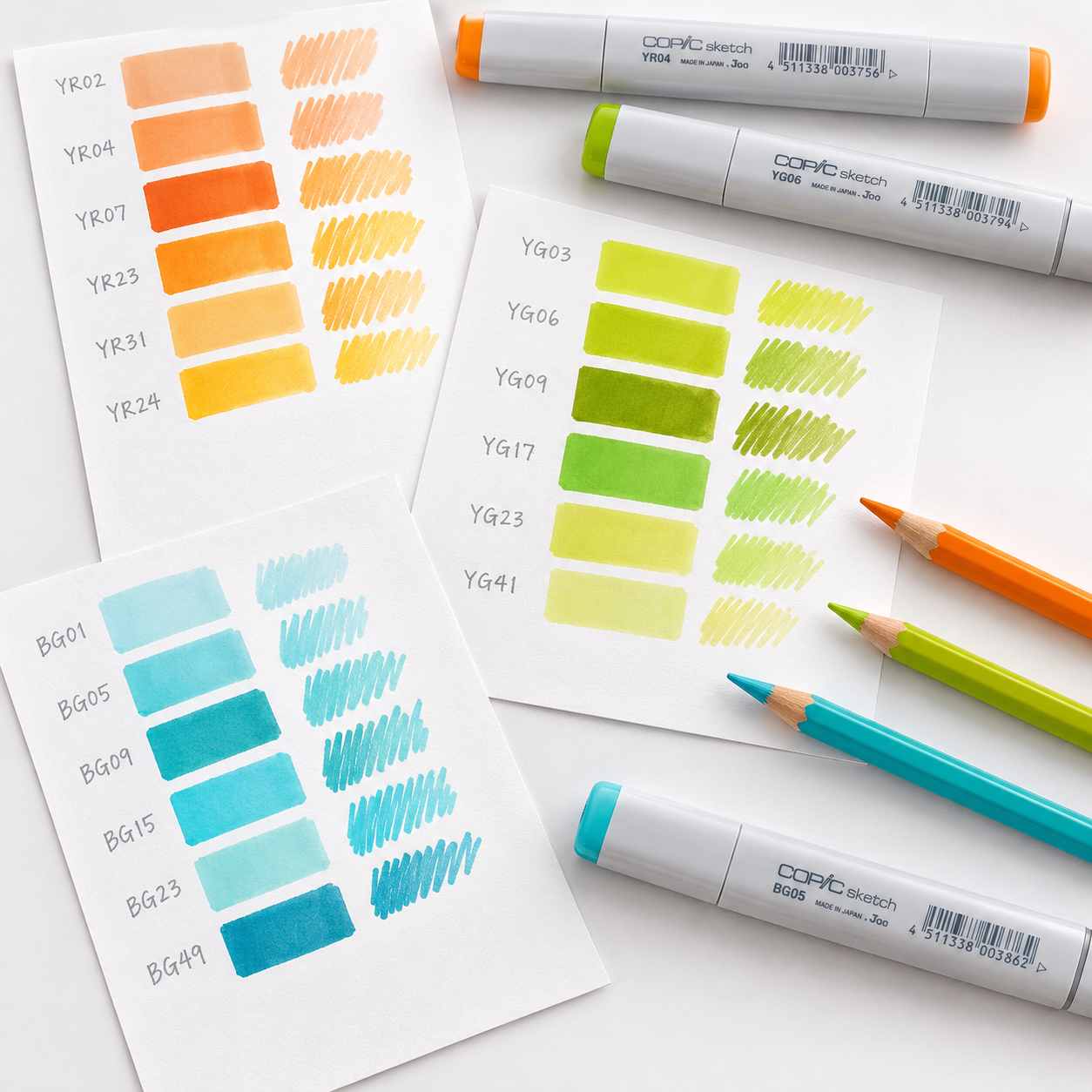
A pencil can make a beautiful swatch and still be miserable to use in a finished illustration.
Markers can blend nicely on one paper and fail spectacularly on another.
And sometimes the feature everyone praises isn’t particularly useful once you start making actual art.
The Lab focuses on performance in context.
I’m interested in questions like:
What does this tool do unusually well?
What are the limitations of this art supply?
Does it behave differently on different surfaces?
Is the larger set actually worth buying?
Does it serve a real purpose or will it simply collect dust in your studio?
Who will get the most value from it?
A useful review shouldn’t end with “I like it.” It should help you decide whether you should buy it.
Hello, I’m Amy Shulke.


I’m a professional technical illustrator and art instructor with decades of experience using markers, colored pencils, papers, erasers, sharpeners, and all the weird stuff that accumulates when making art becomes your job.
I’ve used Copic Markers professionally since 1989 and Prismacolor pencils since 1985. I teach realistic coloring techniques to adults, which means I spend a lot of time diagnosing why materials behave the way they do.
That changes how I review products.
I’m not learning the tool while I review it.
I’m comparing it against years of experience with similar materials, professional workflows, and thousands of hours spent teaching people how these products behave.
We test for use, not entertainment.
There’s no “best” pencil, marker, paper, or sharpener.
Tools have jobs.
So rather than awarding points for an impressive feature list, I look at how a product performs during the tasks it was supposedly designed to handle.
Depending on the product, Lab testing may include:
application and handling
blending and layering
opacity and transparency
color range and set construction
paper compatibility
durability and researching lightfast test results
storage and packaging
replacement parts and open-stock availability
comparison with similar products
extended use in actual artwork
Some products need ten minutes to understand.
Others need months.
The test should fit the question, not the content schedule.
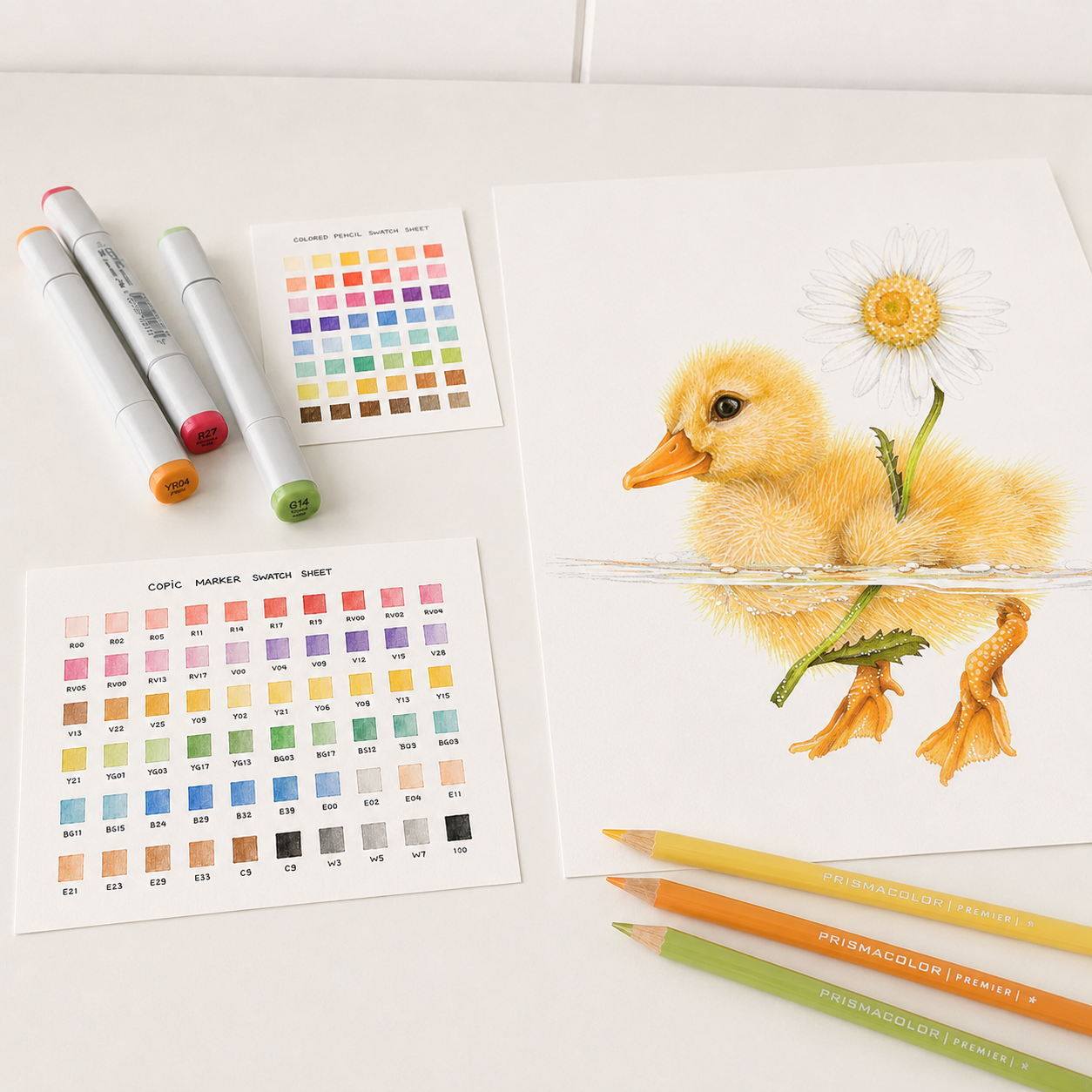
You won’t love every verdict.
I don’t assume an expensive product is better.
I don’t accept that a popular product deserves its reputation.
And I try not to expect something I dislike is automatically a bad product.
More importantly, young students, hobby colorists, professional illustrators, and once in a blue moon creatives need four different things from the same pencil.
The Lab’s job is to identify the difference.
I’ll tell you where a product excels, where it falls short, and who I think it suits best.
You get to decide whether you agree.
How the Lab makes money
Art Supply Test Lab is a business.
Some links on this site are affiliate links. If you purchase through one of those links, the Lab may earn a commission at no additional cost to you.
Products may also occasionally be provided by manufacturers for evaluation. When that happens, I’ll tell you.
Neither arrangement buys a positive review.
A commission is useful. My credibility is worth considerably more.

Ready to put something under the microscope?